
Research Summary:
Recent innovation in mass spectrometry (MS) is the ability to generate intact molecular ions, focus and use them as ordinary reagents for organic reactions at ambient surface, outside the mass spectrometer. Most projects in the Badu lab build on this innovation, but instead of simple organic compounds, we focus on drugs and biomolecules of specific biological importance.
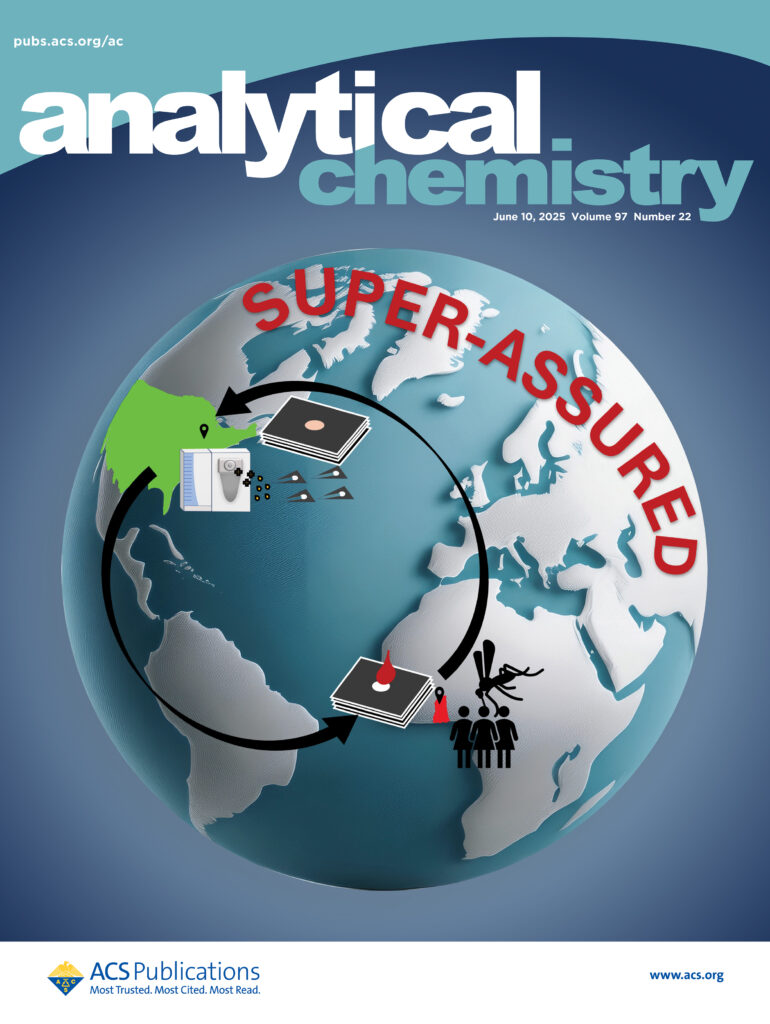
For example, selected proteins and antibodies can be aerosolized, and the resulting molecular cations/anions are directed onto a surface (paper, glass, tissue sections, etc.) for specific molecular recognition. Such experiments are expected to allow rapid and sensitive detection of drugs, tumor markers and antigens of infectious diseases. We are designing novel molecular probes for ambient MS analysis and imaging of proteins, antibodies, antigens, nucleic acids, and other disease biomarkers. The probes are rationally designed to facilitate (1) point-of-care and direct-to-customer applications with handheld mass spectrometers, and (2) a novel on-demand disease diagnostic concept that permits onsite friendly sample collection followed by analysis at a later time without affecting diagnostic outcome. Major efforts in our lab are also dedicated to the introduction of charged aerosols for treating respiratory diseases. This research has potential to advance our current understanding in aerosol therapy, and may yield new focus for general drug synthesis in which molecular ions, instead of their neutral counterparts, are used in medicine.
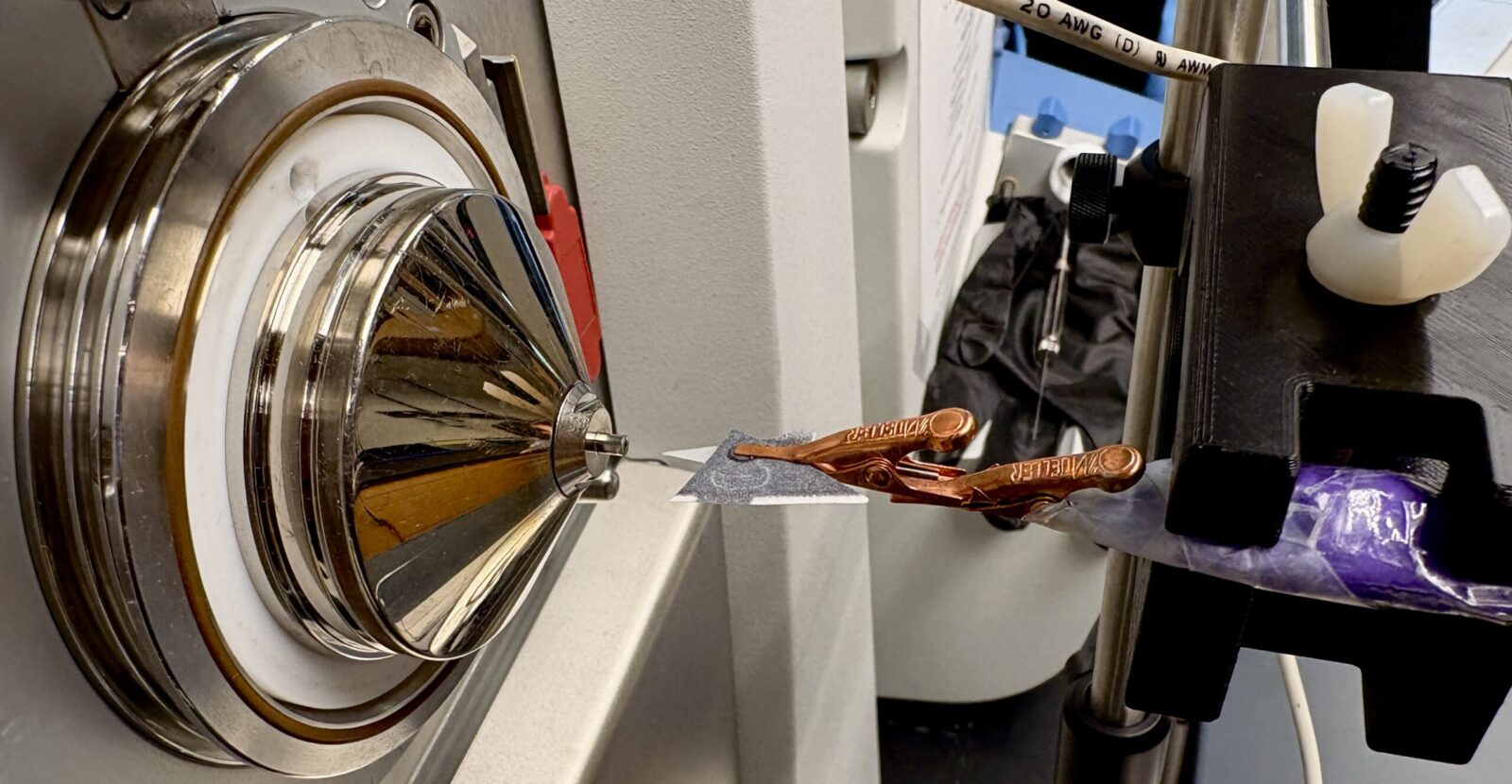
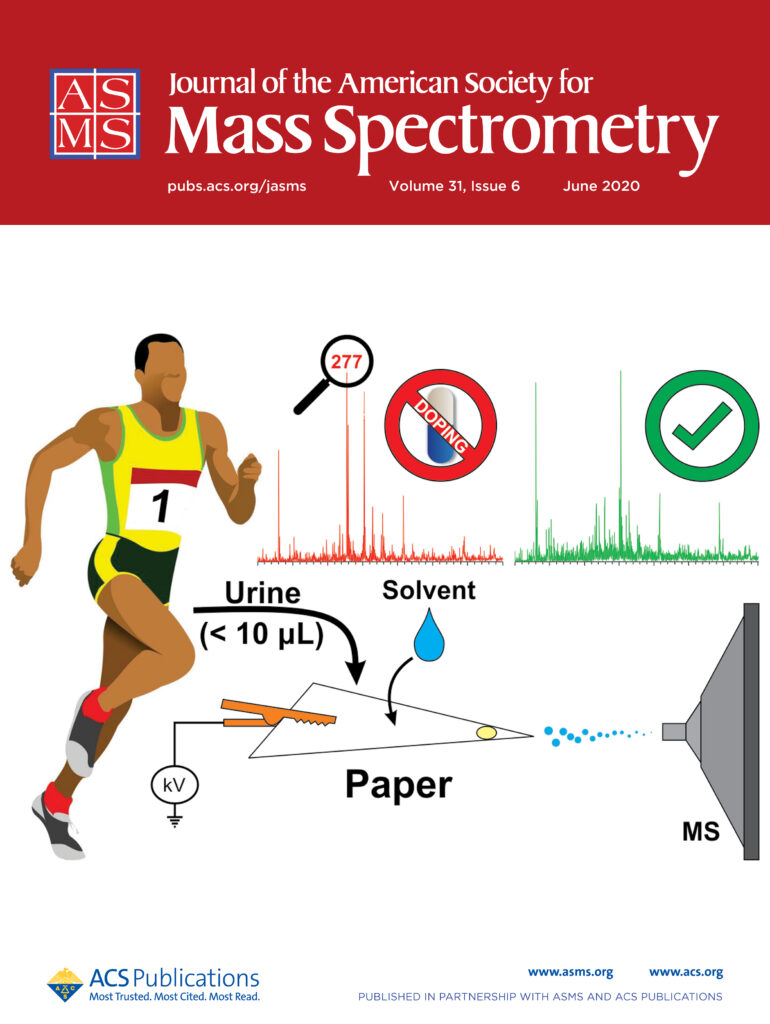
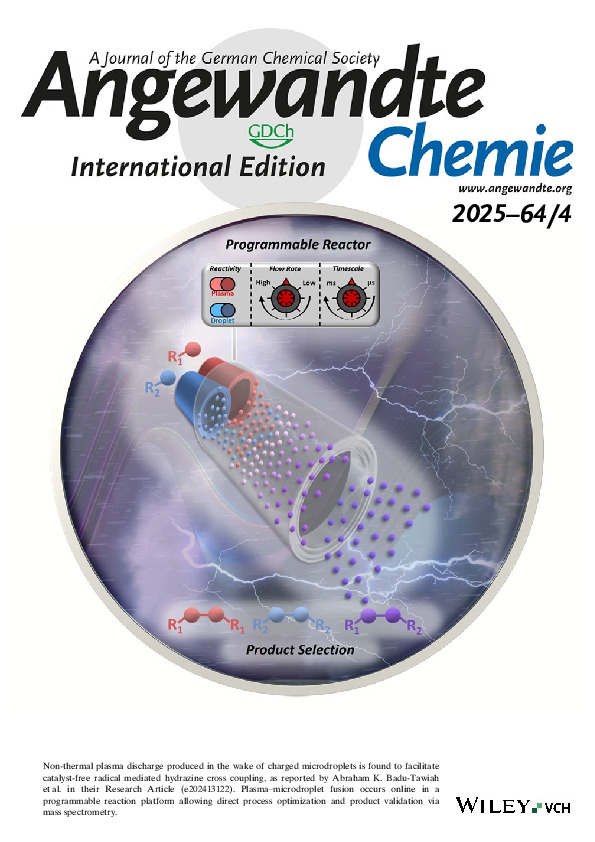
Additional projects in the Badu lab include: (1) droplet chemistry and accelerated chemical synthesis – a new contained-electrospray apparatus is developed that allow ion generation and reaction in a single step. This new process of sample ionization enables removal of ion suppression effects in electrospray ionization, yielding ion intensities that reflect analyte concentration in solution; (2) fundamental ion chemistry at atmospheric pressure – a new picomole scale, real time photoreaction screening platform is developed that enable rapid photoreaction monitoring using mass spectrometry; and (3) development of new ambient ionization techniques – several novel ionization methods have been developed with special emphasis on direct analysis of miniscule volumes of biological samples from ambient surfaces. Current applications include therapeutic drug monitoring, and pharmacokinetic analysis of chemotherapeutic drugs (e.g., paclitaxel and lenalidomide).
These three experiments form the backbone of the Badu lab and all students become equipped with modern MS techniques, including the newly emerging field of gas-phase ionic chemistry outside the mass spectrometer, and its application in immunoassay, bio-conjugation, peptide/protein cross-linking, etc.